Surbiton Station rubbish removal guide KT6
If you are dealing with a pile of mixed rubbish near Surbiton Station, you probably want the same thing most people want: a quick, tidy, legal way to get it gone without making your day more stressful than it already is. This Surbiton Station rubbish removal guide KT6 is designed to help you do exactly that. Whether it is old furniture, builder's waste, loft clutter, or a small office clear-out, the right method depends on access, volume, timing, and what can safely be removed.
Truth be told, the tricky part is often not the rubbish itself. It is the logistics. Tight streets, parking constraints, station traffic, neighbour access, and the question of whether you need a skip permit can all change the best approach. Below, you will find a practical, local-friendly guide that explains your options clearly, without the fluff.
Why Surbiton Station rubbish removal guide KT6 Matters
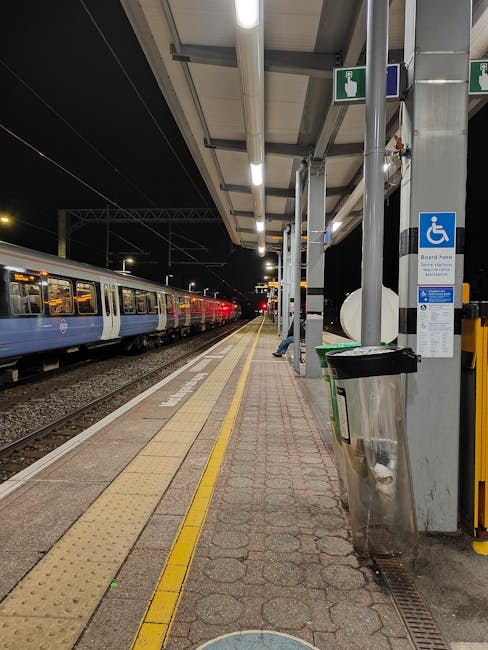
Surbiton Station is a busy transport hub, and that changes the way waste has to be handled. Around stations, you often have a mix of narrow residential roads, short-stay parking, commuters coming and going, and limited tolerance for mess. A badly planned rubbish job can block access, create complaints, and drag on far longer than expected.
That is why a local approach matters. In KT6, rubbish removal is not just about lifting items into a truck. It is about choosing a method that suits the street, the size of the load, and the type of waste. A one-bedroom flat clear-out is very different from a builder clearing plasterboard, timber, and rubble after a refurb. Same postcode, very different outcome.
There is also the question of presentation. If you are a landlord, letting agent, business owner, or homeowner preparing a sale, a clean exterior and an uncluttered property can make a huge difference. You notice it instantly when a space has been cleared well. It feels calmer. More usable. Less chaotic. And yes, less embarrassing when the van turns up and the hallway is still full of old bits and bobs.
If you are comparing waste solutions, it can help to look at broader services too, such as rubbish removal, domestic skip hire, or grab hire services. Different jobs call for different methods, and there is no prize for picking the wrong one.
How Surbiton Station rubbish removal guide KT6 Works
In practical terms, rubbish removal usually means a team collects waste from your property or a nearby access point, loads it safely, and takes it to an authorised facility for sorting and recycling. Depending on the provider, you might choose a man-and-van service, a skip, a wait-and-load arrangement, or a larger grab-lorry option for heavier loads.
The process normally starts with describing the waste as accurately as you can. Be specific. "A few bags" is not as helpful as "12 black bags, two dismantled wardrobes, one mattress, and mixed packaging." The more precise you are, the easier it is to choose the right vehicle, crew size, and time slot.
Near Surbiton Station, access can be the deciding factor. If parking is awkward or you cannot leave a skip on the road, a wait and load skip hire solution may make more sense than a standard static skip. That way, waste is loaded quickly and removed without long roadside occupation. Handy, especially if the street is busy or space is tight.
For heavier building or mixed site waste, options like builders skip hire or construction waste disposal can be better suited. The right choice depends on volume, weight, and whether the waste is mainly light bulky items or dense construction debris.
And if the job is urgent, same-day collection can sometimes be the cleanest fix. It is not always needed, but when it is needed, it really is. One of those days where you simply want the room back before tea.
Key Benefits and Practical Advantages
Done well, local rubbish removal saves time, reduces stress, and keeps the whole job more controlled. That sounds simple, but in real life the benefits are much more practical than people first expect.
- Faster clear-up: You do not have to hire a van, make repeated trips, or spend hours loading at the tip.
- Better access management: Useful around station roads and busier KT6 streets where parking and loading can be awkward.
- Cleaner finish: A professional collection leaves fewer loose bits, dust, and leftover fragments behind.
- More suitable for mixed waste: Many jobs involve a blend of general rubbish, furniture, and light renovation debris.
- Less disruption: Particularly helpful if you live in a flat, run a small business, or are clearing a property between tenancies.
There is also a quieter benefit people often overlook: decision-making becomes easier. When you know whether you need a skip, a wait-and-load, or a direct collection, the entire job feels less open-ended. That matters if you are already juggling trades, tenants, or a weekend move.
For environmentally minded customers, it is worth checking how waste is handled after collection. Services that prioritise sorting and recovery can support better recycling outcomes. If sustainability matters to you, take a look at recycling and sustainability and waste recycling services to understand the broader approach.
Who This Is For and When It Makes Sense
This kind of rubbish removal is useful for a wide range of people. Some are clearing a single room. Others are managing a much bigger property project. The common thread is simple: you need waste gone efficiently, and you do not want the process becoming a mini-project of its own.
It often makes sense for:
- homeowners clearing garages, lofts, basements, or spare rooms;
- landlords between tenancies who need quick turnaround;
- tenants moving out and dealing with leftover junk;
- builders and tradespeople with renovation debris;
- offices replacing furniture or clearing archive-heavy storage;
- shops and hospitality premises with bulky commercial waste;
- families handling a house clearance or bereavement clear-out.
If you are dealing with larger domestic projects, you may also find related services useful, such as house clearance, garage and loft clearance, or garden waste removal. These can be a better fit than trying to treat everything as standard rubbish.
It also makes sense when access is awkward. Around the station, you may not want a skip sitting outside for days. If you only have a short loading window, a direct collection can be far less stressful.
Step-by-Step Guidance
Here is the simplest way to approach rubbish removal near Surbiton Station without overcomplicating things.
- Sort the waste by type. Separate general rubbish, bulky furniture, building waste, electrical items, and anything you think may be restricted.
- Estimate the volume. A small pile in the corner can be deceptive. Once broken down, it may be more than you expected.
- Check access. Is there parking? Can a lorry stop safely? Can the items be moved through a hallway or down stairs without issue?
- Decide on the method. Compare rubbish removal, skip hire, grab hire, or wait-and-load based on the access and the waste type.
- Ask about restricted materials. Not everything can go in a general load. Some waste needs separate handling.
- Book with enough lead time. If the job is tied to moving day or a builder's schedule, do not leave it until the last minute.
- Clear a route for collection. Make sure doors, gates, and hallways are accessible. It saves everyone a headache.
One practical tip: dismantle bulky furniture before the collection day if you can do so safely. A flat-pack wardrobe is usually easier to remove than a full assembled one. Common sense, yes. But people often forget it in the rush.
For jobs involving mixed trade waste, you might also explore builders waste removal or construction waste clearance. If the waste is more demolition-heavy, demolition waste removal may be more suitable.
Expert Tips for Better Results
There are a few simple things that make rubbish removal smoother. Not glamorous, but very effective.
- Be honest about the load size. Underestimating waste is the fastest way to slow a job down.
- Keep prohibited items separate. It avoids last-minute surprises and missed collections.
- Use the right service for the access. If the road is tight, a smaller vehicle or wait-and-load setup can be smarter than forcing a skip solution.
- Think about the order of work. Clear the big stuff first, then bag the smaller debris. That keeps the route open.
- Photograph the waste if needed. A quick set of photos can help with accurate quoting.
In our experience, the most efficient jobs are the ones where the customer has already grouped items sensibly. You do not need to stage it like a film set. Just avoid a pile that looks like it exploded in the hallway.
If security is a concern, or you are handling items that should not be left exposed, consider an enclosed and lockable skip hire option. That can be especially helpful for mixed waste stored on a driveway or at a business premises.
Common Mistakes to Avoid
The most common errors are usually not dramatic. They are small planning mistakes that snowball. A few examples:
- Booking the wrong service: A skip is not always the best answer, and neither is a man-and-van for heavy builder's rubble.
- Ignoring access restrictions: Surbiton Station roads can be less forgiving than they look on a map.
- Mixing restricted items into general rubbish: This can delay removal and increase costs.
- Waiting too long: If you need the space back by a certain day, leave some margin.
- Overfilling containers: Whether it is a skip or a trailer, overloading creates safety issues and can trigger refusal of collection.
Another easy trap is forgetting the permit question. If a skip needs to be placed on a public road, you may need to look into skip hire permits or skip permits. The exact need depends on the location and placement, so it is worth checking early rather than assuming it will be fine. Better to ask once than rearrange the whole plan later.
Tools, Resources and Recommendations
You do not need a van full of specialist equipment to organise a good rubbish removal job, but a few tools help a lot. A tape measure, heavy-duty bags, gloves, a dolly or sack truck, and basic packing tape can make collection day smoother.
For larger jobs, your best resource is often simple information:
- measure door widths and access points;
- estimate item count as well as weight;
- list any awkward materials such as plasterboard, soil, mattresses, or appliances;
- check whether you need a short-term or same-day solution;
- compare removal, skip, and grab options before booking.
If you are looking at pricing and want a sense of how different load sizes are typically approached, the pages on skip sizes and prices and pricing and quotes are useful starting points. They can help you decide whether a skip, grab lorry, or direct collection is the better fit.
For a faster turnaround on same-day jobs, it is also worth reviewing same-day skip hire and book online. Simple tools, really, but they save time when the clock is ticking.
Law, Compliance, Standards, or Best Practice
Rubbish removal in the UK should always be handled with care, and that includes making sure waste goes to an authorised place and that restricted materials are managed correctly. You do not need to be an expert in waste law to make sensible choices, but you should expect a reputable provider to follow proper procedures.
Best practice usually means:
- waste is sorted or routed appropriately;
- hazardous items are separated and not mixed into general waste;
- collections are carried out safely, especially on tight roads or busy streets;
- drivers and crews understand how to load without creating hazards;
- customer information is handled carefully when confidential material is involved.
For example, paper records from an office move should not be dumped into a general mixed load if confidential handling is needed. In that situation, confidential shredding is the more sensible route. Likewise, appliances such as fridges and freezers often require their own treatment, which is why fridge and appliance removal exists as a separate service.
Hazardous items deserve extra caution. Paints, chemicals, asbestos-related materials, and certain electrical waste should never be guessed at. If in doubt, speak plainly and ask before collection. That one conversation can save a lot of mess, and a lot of avoidable hassle.
For business customers, services like commercial skip hire and office clearance are often selected because they provide a more structured process for premises-based waste management.
Options, Methods, or Comparison Table
Choosing the right method is usually the real decision. Here is a practical comparison.
| Method | Best for | Main advantage | Potential drawback |
|---|---|---|---|
| Rubbish removal | Mixed household or bulky waste, quick clearances | Fast, hands-off, minimal effort for you | May be less economical for very large volumes |
| Skip hire | Ongoing projects, DIY, renovations | Flexible loading over time | May need space or a permit |
| Wait and load | Busy streets, short access windows, no room for a skip | No long roadside placement | Needs you to be ready when the vehicle arrives |
| Grab hire | Heavy, loose, or large-volume waste | Good for fast loading and heavier materials | Access still needs to be workable for the vehicle |
| Man and van | Smaller collections or awkward items | Very flexible for one-off jobs | Not always ideal for dense construction waste |
For many people near Surbiton Station, the choice comes down to one question: do you want time to fill a container, or do you want the waste taken away in one go? There is no universal best answer. Just the best answer for your day.
If you are unsure, compare the practical fit of man and van with grab lorry hire and skip hire. Each has a different rhythm, and that matters more than people think.
Case Study or Real-World Example
A fairly typical KT6 job might look like this: a small flat near Surbiton Station is being prepared for a new tenant. The hallway has an old sofa, two broken bedside units, several bin bags of mixed junk, a damaged chest of drawers, and some leftover packaging from a recent delivery. The landlord wants it sorted before the weekend. Not a huge job, but awkward enough to cause frustration.
In that scenario, a short-notice collection works better than waiting for a skip permit, especially if there is limited road space and a tight turnaround. The crew arrives, confirms the load, and clears it in one visit. The flat is usable again, and the landlord does not spend the afternoon dismantling furniture in the corridor. Everyone wins. More or less.
For a different example, imagine a small builder carrying out a bathroom refit in a terrace near the station. The waste is mainly tiles, broken fittings, plasterboard, and packaging. That is a stronger candidate for a builder-focused solution such as builders skip hire or construction waste disposal, depending on site access and how quickly the waste builds up.
The key lesson is simple: the best method follows the waste, not the other way round.
Practical Checklist
Use this checklist before booking your collection.
- Have I listed everything that needs removing?
- Do I know whether the waste is general, bulky, builder's, or restricted?
- Have I checked access, parking, and loading space?
- Do I need a same-day or next-day solution?
- Would a skip, wait-and-load, grab hire, or direct collection suit the job best?
- Are any items likely to need special handling?
- Have I separated confidential or hazardous material?
- Do I need to dismantle anything before collection?
- Have I checked whether a permit may be required?
- Is the route from the waste pile to the vehicle clear?
Small checklist, big difference. It saves time and tends to cut down on awkward back-and-forth on the day.
Conclusion
A good Surbiton Station rubbish removal plan is not about doing more. It is about choosing the right method, preparing the load properly, and avoiding the small mistakes that create delays. In KT6, where access and timing can matter just as much as the waste itself, that practical approach is usually the one that works best.
Whether you need a one-off clearance, help with bulky items, support for a renovation, or a faster alternative to a roadside skip, the key is to match the service to the situation. Once you do that, the whole job becomes much more manageable. And honestly, that is a relief in itself.
Get a free quote today and see how much you can save.
Frequently Asked Questions
What is the best rubbish removal option near Surbiton Station?
The best option depends on access, volume, and waste type. For quick mixed clearances, direct rubbish removal is often easiest. For ongoing DIY or building work, skip hire or grab hire may be better.
Do I need a skip permit in KT6?
You may need one if a skip is placed on a public road. If it stays entirely on private land, a permit may not be needed. It is worth checking early so the job does not stall.
Can I use rubbish removal for furniture and bulky items?
Yes, bulky furniture is one of the most common reasons people book rubbish removal. Sofas, wardrobes, beds, and cabinets are all typical examples, provided they are safe to collect and properly described in advance.
Is same-day rubbish removal available?
Sometimes, yes. Same-day availability depends on workload, access, and the type of waste. If your job is urgent, it is best to ask as early as possible rather than assume it will be possible later in the day.
What should I not put in a general rubbish load?
Hazardous materials, certain chemicals, and items requiring special treatment should not be mixed into general waste. If you are unsure about an item, ask first. Guessing is rarely a good plan here.
How do I know whether I need skip hire or rubbish removal?
If you need time to fill a container over several days, skip hire may suit you. If you want everything cleared in one visit, rubbish removal is usually more convenient. Access around Surbiton Station often helps decide it.
What happens to the rubbish after collection?
It is typically taken to an authorised facility for sorting, recycling, and disposal. The exact process depends on the waste type and the service used, but a responsible provider should aim to handle it correctly.
Can you remove waste from flats near the station?
Yes, provided access is workable. Flats are common in KT6, so stair access, lift availability, hallway width, and parking arrangements all matter. A quick description of the layout helps a lot.
What if I have confidential documents to clear?
Confidential paper should be handled separately using a secure service rather than mixed into general rubbish. That is where confidential shredding is the more suitable route.
Are appliances like fridges and freezers collected separately?
Often, yes. Appliances can require separate handling, so it is best to mention them upfront. Fridge and appliance removal is a sensible option when these items are part of the job.
How can I keep the cost down?
Sort waste in advance, be accurate about the volume, and choose the right method for your access. Small preparation steps can save a surprising amount of time and reduce the chance of paying for the wrong solution.
Is there a difference between domestic and commercial waste removal?
Yes. Domestic waste usually involves household items, while commercial waste can include office furniture, packaging, fittings, and regular business rubbish. The handling and booking process may differ, so it helps to choose the right category from the start.
Where can I learn more about how waste is handled?
You can review the company's pages on about us, health and safety policy, and insurance and safety for a better sense of process, care, and standards.