Minimizing Environmental Impact While Disposing PPE Waste
The surge in demand for Personal Protective Equipment (PPE) during health crises like the COVID-19 pandemic has resulted in a significant rise in PPE waste generation. From face masks and gloves to gowns and face shields, billions of PPE items have been produced and disposed of, creating ecological challenges. Understanding how to minimize the environmental impact of PPE waste disposal is essential for a sustainable future. This comprehensive guide explores eco-friendly PPE disposal methods, innovative technologies, and actionable strategies anyone can adopt to reduce the environmental footprint of PPE waste.

Understanding the Scope of PPE Waste
Before diving into minimizing PPE waste's environmental impact, it is crucial to comprehend the scale and composition of the problem. PPE waste includes items like:
- Single-use masks (surgical or N95)
- Disposable gloves (latex, nitrile, or vinyl)
- Protective gowns and suits
- Face shields and goggles
Most disposable PPE is designed for one-time use, often containing plastic-based polymers, making them difficult to biodegrade. A large quantity of this waste ends up:
- In landfills
- Incinerated, potentially releasing toxins
- Or worse, littered in public places and waterways
With billions of PPE items used monthly worldwide, sustainable PPE waste management becomes a pressing necessity.
Challenges in PPE Waste Disposal
- Non-biodegradable nature of PPE materials: Most PPE components are made of synthetic fibers that do not break down easily.
- Risk of contamination: Used PPE is often contaminated, creating hazards for traditional recycling and posing health risks.
- Lack of infrastructure: Many regions do not have adequate facilities for medical or hazardous waste treatment.
- PPE litter in the environment: Improperly discarded PPE contributes to marine and land pollution.
Best Practices for Minimizing Environmental Impact in PPE Waste Management
1. Prefer Reusable PPE When Feasible
Whenever possible, opt for high-quality reusable PPE that can be safely sanitized and reused. This includes cloth masks, washable gowns, and reusable face shields. Key benefits include:
- Potential to significantly reduce single-use PPE waste generation
- Cost savings over time
- Lower resource consumption during production
*Note*: Medical-grade PPE for healthcare workers may not always be reusable due to sterility requirements, but for public, commercial, and non-patient uses, reusable options are viable.
2. Segregate and Secure PPE Waste Properly
Proper segregation is essential for minimizing risks and optimizing recycling or treatment. Recommended steps:
- Use marked bins specifically for PPE waste
- Ensure PPE does not mix with regular recyclables or compostables
- Label waste bags clearly as "contaminated" where necessary
Secured containment limits the spread of contaminated items and simplifies processing at waste management facilities.
3. Utilize Approved Medical Waste Disposal Channels
Disposing of large volumes of contaminated PPE should be managed via certified medical or hazardous waste treatment services. Methods include:
- Autoclaving (using steam to disinfect and sanitize)
- High-temperature incineration with emission controls
- Specialized PPE recycling where available
These processes limit environmental emissions, reduce the risk of disease, and ensure legal compliance.
4. Support and Promote PPE Recycling Initiatives
Traditional recycling processes cannot always handle contaminated PPE, but innovative approaches are emerging:
- Chemical recycling of polypropylene and polyethylene-based PPE
- Conversion into construction materials, such as plastic lumber
- Mechanical recycling after sterilization
Organizations like TerraCycle and several universities have initiated experimental PPE recycling programs. Public participation and corporate sponsorships can expand these efforts.
5. Utilize Biodegradable and Compostable PPE Alternatives
Manufacturers are increasingly offering PPE made from plant-based or biodegradable materials. These alternatives are:
- Designed to break down in industrial composting environments
- Made from sources such as polylactic acid (PLA) and natural rubber
- Free from toxic residues common in synthetic plastics
While current costs are higher, increased adoption and government incentives can drive down prices and usage, reducing long-term environmental impact.
6. Educate the Public and Institutions
Widespread understanding of proper PPE waste disposal methods is essential. Educational efforts can:
- Reduce littering in communities and natural habitats
- Encourage individuals to carry personal waste containers for used masks and gloves
- Inform business and facility managers about local waste regulations and recycling programs
Community outreach, public policy awareness, and workplace training programs are impactful tools in improving collective disposal practices.
Technological Innovations in Eco-Friendly PPE Waste Disposal
Recent advances in waste management technology offer promising solutions for minimizing PPE waste's impact on the environment. Here are some innovative approaches:
Chemical and Mechanical Recycling
Specialized recycling machines can sterilize and shred PPE, breaking down plastics into raw pellets for re-manufacture. Several pilot programs have shown that sterilized PPE can be safely reintroduced into the manufacturing cycle, reducing the demand for new virgin plastics.
Pyrolysis and Waste-to-Energy
Pyrolysis uses high heat in an oxygen-free environment to convert plastics into fuels and other chemical products. This minimizes landfill waste and recovers energy from used PPE, though emissions must be controlled to prevent secondary pollution.
Compostable PPE Development
Biotech companies are rapidly advancing the engineering of single-use gloves, masks, and gowns that fully break down within months under industrial composting. Such products drastically lower the long-term environmental burden when compared to traditional PPE.
RFID Tracking for Waste Streams
Some hospitals and large institutions now use RFID tags to track PPE bins and optimize pickup, sorting, and treatment. This improves efficiency and data accuracy, reducing the risk of improper disposal.
Regulations and Guidelines for Responsible PPE Waste Handling
Numerous governmental and health agencies have published protocols to ensure environmentally safe PPE disposal. Key guidelines include:
- Adhering to local medical waste collection schedules
- Complying with Hazardous Waste Operation standards (OSHA or equivalent)
- Wearing gloves and masks while handling waste, and performing hand hygiene after disposal
- Using color-coded bags and containers for waste segregation
Companies and institutions must remain vigilant in updating protocols as technology and regulations evolve.
The Role of Individuals and Organizations in Reducing PPE Waste Pollution
What Individuals Can Do
- Opt for reusable PPE where possible and ensure proper cleaning between uses
- Dispose of used masks and gloves in appropriate waste bins
- Avoid discarding PPE outdoors or flushing it down toilets, which can lead to environmental contamination
- Participate in or initiate local PPE recycling collection events
Institutional & Corporate Strategies
- Develop clear waste management protocols for staff and visitors
- Invest in PPE waste segregation and safe storage facilities
- Partner with recycling or waste-to-energy companies for sustainable disposal
- Encourage the use of eco-certified or compostable PPE products
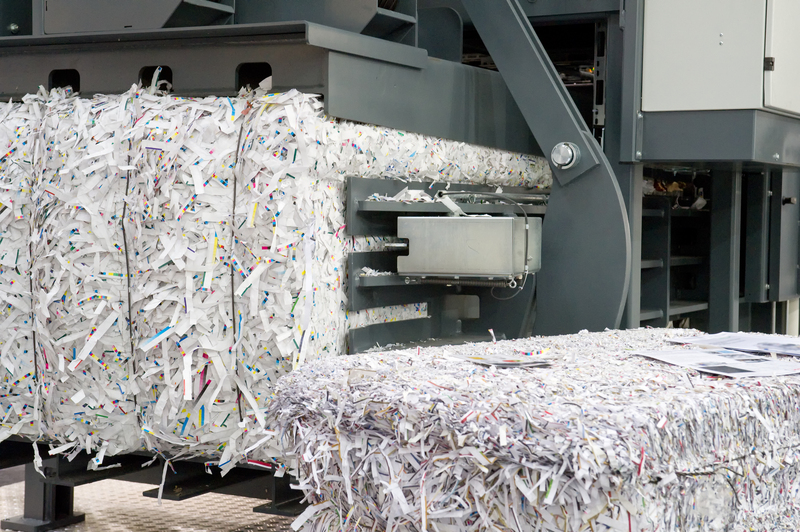
The Future of PPE Waste Management: Toward a Sustainable Circular Economy
Looking ahead, a circular economy approach to PPE could transform disposal from a challenge to an opportunity. Key elements include:
- Designing PPE for easy disassembly and recycling, using mono-material construction or biodegradable components.
- Scaling up closed-loop systems where PPE waste is sourced, processed, and re-manufactured within regions.
- Encouraging cross-sector collaboration between healthcare, waste management, manufacturers, and governments.
- Leveraging policy, such as extended producer responsibility (EPR) laws, to make suppliers accountable for the complete lifecycle of their products.
As research and innovation continue, the goal is clear: to shield ourselves while shielding the planet. Eco-friendly PPE disposal and minimized environmental impact must go hand in hand with health and safety.
Conclusion: Taking Action to Minimize Environmental Impact of PPE Waste
Minimizing the environmental impact while disposing PPE waste requires a holistic, multi-level effort. By integrating individual responsibility, institutional best practices, technological advances, and robust policy frameworks, society can greatly reduce the ecological cost of necessary protective equipment.
- Choose reusable or biodegradable PPE whenever feasible
- Segregate and dispose of PPE safely and responsibly
- Support and promote innovative recycling and disposal solutions
- Stay informed about regulations and best practices
- Drive demand for greener PPE products through conscious purchasing
With concerted action, it is possible to protect both public health and the environment. As the world adapts to ongoing public health challenges, minimizing PPE waste's environmental impact must remain a priority for individuals, communities, governments, and industry alike.
By working together, we can ensure that our protective measures do not compromise the well-being of our planet for generations to come.